
For patients researching clear aligners in Hawthorne, CA, it helps to understand what the treatment can and cannot do. Aligners may be convenient, but they are still an orthodontic treatment that requires a careful examination, a personalized plan, consistent wear, and professional monitoring.
This article provides general educational information and is not a diagnosis or treatment recommendation. A dentist or orthodontist must evaluate the teeth, gums, jaws, and bite to determine whether clear aligners are appropriate for an individual patient.
What Are Clear Aligners?
Clear aligners are a series of custom-made plastic trays designed to apply controlled pressure to selected teeth. Each tray represents one step in the treatment plan. As the patient changes aligners according to the clinician’s instructions, the teeth move progressively toward their planned positions.
The trays fit closely over the teeth and are less noticeable than conventional braces. They can also be removed for meals, brushing, and flossing. However, “removable” does not mean optional. Aligners generally need to be worn for most of the day, following the exact schedule provided by the treating clinician.
Some plans use small tooth-colored attachments bonded to certain teeth. These attachments give the trays additional grip so they can perform specific movements. Depending on the patient’s needs, treatment may also include other techniques or appliances.
What Problems Can Clear Aligners Address?
Clear aligners may be considered for several common orthodontic concerns, including:
- Crowded or overlapping teeth
- Gaps between teeth
- Some overbites, underbites, and crossbites
- Teeth that have shifted after previous orthodontic treatment
- Certain rotated or tilted teeth
The important word is some. The suitability of aligners depends on the type and difficulty of the required movements, jaw relationships, oral health, and the patient’s ability to follow the wear instructions.
A systematic review found support for clear aligners as an alternative to fixed appliances in many mild-to-moderate cases, while evidence was less supportive for severe malocclusions. Individual outcomes still vary, which is why an examination matters more than a quick visual impression. Patients with complex bite concerns may benefit from braces, aligners combined with other appliances, or a different orthodontic strategy.
Benefits Patients Often Consider
A discreet appearance
The transparent trays are designed to be unobtrusive. Although they are not completely invisible, many adults and teens appreciate being able to straighten their teeth without prominent brackets and wires.
Removable trays
Patients can take the aligners out while eating, so there are generally fewer food restrictions than with fixed braces. The trays should be placed in their case rather than wrapped in a napkin, where they can easily be discarded.
Easier access for daily hygiene
Because aligners come out, patients can brush and floss without maneuvering around brackets. Research suggests removable aligners may make oral hygiene easier for some patients, but good results still depend on consistent home care. Wearing trays over unbrushed teeth can trap food debris and sugars against the enamel.
A smooth, comfortable design
Aligners do not have metal wires, but mild pressure or temporary tenderness may occur when a new tray begins moving the teeth. An attachment or tray edge can occasionally irritate the cheeks or tongue. Persistent pain, a damaged tray, or a poor fit should be reported to the treating office rather than adjusted at home.
What to Expect During Clear Aligner Treatment
1. Consultation and oral health evaluation
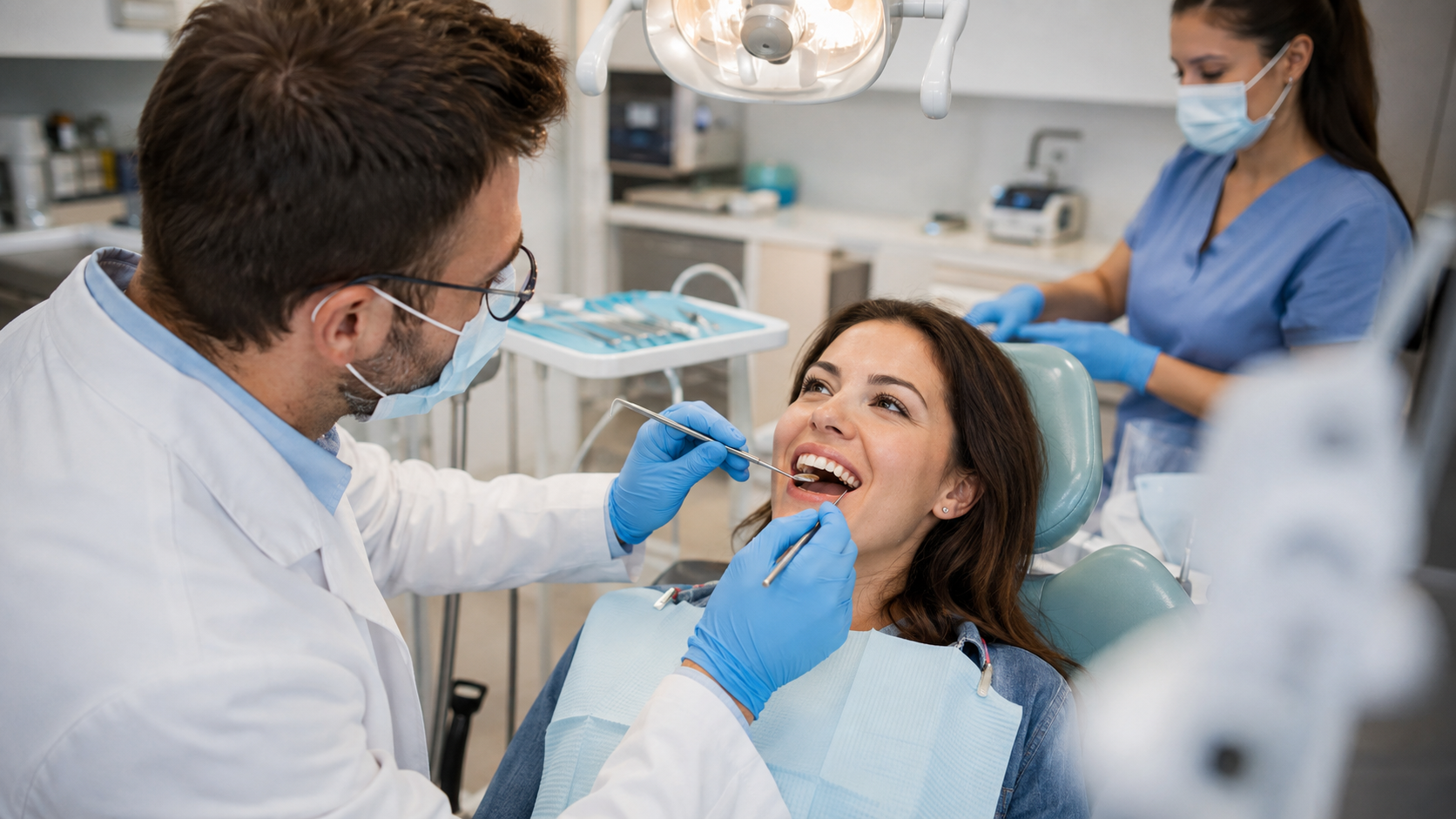
The process begins with an examination of the teeth, gums, bite, and jaw relationships. The clinician may review dental records and take digital scans, photographs, or appropriate X-rays. These records help identify issues that may not be visible in a mirror.
Active decay, gum inflammation, or other oral health concerns may need attention before orthodontic movement begins. Moving teeth in an unhealthy mouth can create unnecessary complications, so this preparatory step supports safer care.
2. Personalized treatment planning
Digital planning software can show how the teeth are intended to move across a series of stages. The clinician reviews and adjusts that plan based on the patient’s bite and treatment goals. A digital preview can be useful, but it is a simulation rather than a guaranteed final result.
3. Wearing and changing the aligners
Once the trays are ready, the dental team explains how to insert, remove, clean, and store them. The patient progresses through the series according to the prescribed schedule. Skipping wear time or advancing to the next tray too soon can interfere with tracking—the ability of the aligner to fit closely and move teeth as planned.
4. Progress appointments
Periodic visits allow the clinician to check the fit of the trays, oral health, and actual tooth movement. If the teeth respond differently than anticipated, the treatment plan may need adjustment. Some patients require additional scans and refinement trays before active treatment is complete.
5. Retention
Teeth can shift after orthodontic movement, whether treatment involved aligners or braces. A retainer helps maintain the new positions. Patients should follow the prescribed retainer schedule and bring concerns about fit, loss, or damage to the dental team promptly.
Daily Habits That Support Treatment
Clear aligners work best when the patient participates consistently. Helpful habits include:
- Wearing the trays exactly as directed
- Removing aligners before eating unless the clinician says otherwise
- Following professional guidance about what may be consumed while trays are in place
- Brushing and flossing before reinserting clean aligners
- Cleaning trays with the recommended method and avoiding very hot water, which may distort plastic
- Keeping aligners in their protective case when they are not being worn
- Attending scheduled dental and orthodontic appointments
- Continuing routine preventive dental care throughout treatment
Smoking, vaping, strongly colored drinks, and inconsistent cleaning may discolor trays or affect oral health. Patients should ask their clinician for guidance based on their habits and medical or dental history.
Clear Aligners Versus Mail-Order Treatment
The convenience of remote aligner services may sound appealing, but orthodontic care involves more than manufacturing trays. Tooth movement can affect the bite, roots, gums, and supporting bone. A professional evaluation can identify cavities, periodontal concerns, impacted teeth, or bite conditions that an impression kit alone may not reveal.
Doctor-supervised treatment also provides an opportunity to monitor progress and respond if trays stop fitting, attachments come loose, or the teeth do not move as planned. The scientific literature recognizes both useful indications and important limitations for clear aligner therapy, reinforcing the value of case selection and clinical oversight.
How Much Do Clear Aligners Cost in Hawthorne?
There is no single fee that applies to every patient. The cost may depend on the complexity of the bite, the amount of movement required, the type of aligner system, the need for refinements or additional appliances, and what the quoted treatment package includes.
Patients comparing fees should ask whether records, monitoring visits, refinement trays, retainers, and post-treatment checks are included. Dental insurance may provide an orthodontic benefit, but coverage, deductibles, age limits, and lifetime maximums vary. An office can review estimated benefits and available payment options, although insurance payment is never guaranteed.
Choosing Clear Aligners in Hawthorne, CA
A good consultation should feel educational rather than rushed. Patients may want to ask:
- Is an orthodontic specialist involved in planning or monitoring care?
- What concerns can aligners address in this particular case?
- Are braces or another approach likely to produce a more predictable result?
- How often will progress be evaluated?
- What happens if the aligners stop fitting properly?
- Are refinements and retainers included in the proposed fee?
- What responsibilities does the patient have during treatment?
Trusted Dental & Orthodontics Hawthorne offers professionally supervised clear aligner treatment in Hawthorne, CA. The practice also provides access to multiple orthodontic options, including clear aligners, Invisalign, and traditional braces, allowing the treatment recommendation to reflect the patient’s bite, lifestyle, and goals rather than a one-size-fits-all product.
Frequently Asked Questions
Are clear aligners painful?
Patients may notice pressure or mild tenderness when starting a new tray. This usually reflects the controlled force used to move the teeth. Severe or persistent pain, swelling, injury, or an aligner that will not seat properly should be evaluated by the treating clinician.
Can a patient eat while wearing clear aligners?
Patients are generally instructed to remove aligners for meals. Eating with trays in place may damage or stain them and can trap food against the teeth. The clinician’s specific instructions should always take priority.
Do clear aligners affect speech?
A slight lisp can occur when treatment begins because the tongue is adapting to the trays. Many patients adjust with regular wear. If a speech change continues or the tray feels unusually bulky, the dental team can check its fit.
Are aligners suitable for teenagers?
They may be appropriate for responsible teens whose teeth and bite can be treated predictably with removable trays. Consistent wear is essential. An orthodontic evaluation can determine whether aligners, braces, or another option better fits the teen’s needs.
How long does clear aligner treatment take?
The duration varies with the complexity of the case, the movements required, biological response, and adherence to the wear schedule. A personalized estimate can be provided only after diagnostic records and an examination. Refinements may change the original estimate.
Will teeth stay straight after aligner treatment?
No orthodontic method can prevent all future tooth movement. Retainers help preserve the result, but they must be worn and maintained as directed. A retainer that feels tight or no longer fits should be checked rather than forced into place.
Take the Next Step Toward a Straighter Smile
Clear aligners can offer a discreet, removable way to improve many common alignment concerns, but successful care begins with the right diagnosis and a realistic treatment plan. Professional supervision helps patients understand their options, protect their oral health, and make informed decisions throughout the process.
Anyone considering clear aligners in Hawthorne, CA can contact Trusted Dental & Orthodontics Hawthorne to ask questions or schedule an orthodontic consultation. The team can evaluate the smile, explain suitable treatment options, and discuss what to expect without assuming that one solution is right for everyone.