Dental bonding is one of the most versatile and cost-effective cosmetic treatments available — fixing chips, cracks, gaps, and discoloration in a single appointment with no anesthesia required in most cases. Walk in with a flaw; walk out with a smile you love.
WHAT IS DENTAL BONDING?
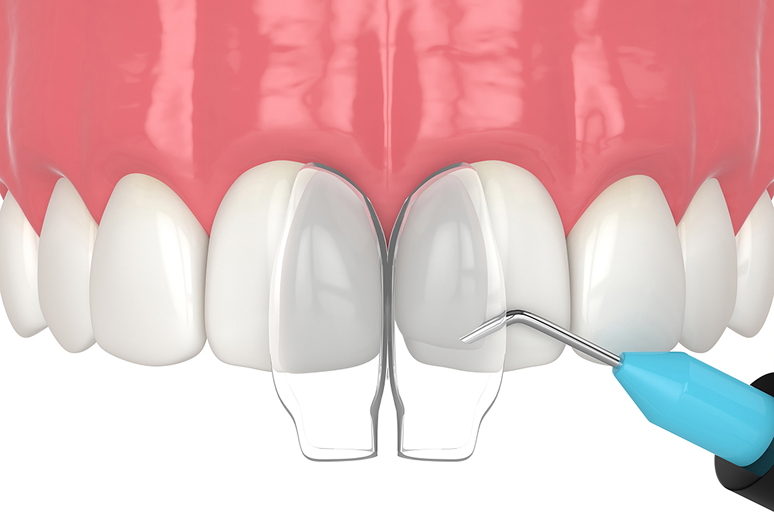
Dental bonding uses a tooth-colored composite resin — the same material used for tooth-colored fillings — that is sculpted directly onto your tooth, hardened with a curing light, and polished to a beautiful shine. The entire process for most cases takes 30 to 60 minutes per tooth.
Unlike veneers or crowns, bonding typically requires no removal of healthy tooth structure and no lab time. It's one of the rare cosmetic treatments that is genuinely reversible, making it a great low-commitment entry into cosmetic dentistry.
WHAT BONDING CAN FIX
Dental bonding addresses a surprisingly wide range of cosmetic and minor restorative concerns in a single, minimally invasive visit.
Small to medium chips from sports, accidents, or biting hard objects can be rebuilt with composite resin for a seamless, natural appearance in just one visit.
Bonding can subtly widen teeth to close small to moderate gaps (diastemas) without orthodontic treatment — a faster, more affordable alternative for mild spacing.
Intrinsic stains that don't respond to whitening — from fluorosis, old restorations, or tetracycline — can be covered with bonding resin matched to the ideal shade.
Teeth that are too small, oddly shaped, or disproportionate can be reshaped and rebuilt with bonding to achieve better symmetry and aesthetics.
Gum recession can expose root surfaces that are sensitive and aesthetically displeasing. Bonding covers exposed roots, reducing sensitivity and improving appearance.
Unsightly silver amalgam fillings can be replaced with tooth-colored composite bonding for a more natural look and metal-free restoration.
BONDING VS. VENEERS
Both dental bonding and porcelain veneers can dramatically improve your smile — the right choice depends on the extent of correction needed, your budget, and your long-term goals. Bonding is ideal for isolated repairs, minor corrections, and patients wanting a low-cost, reversible option. Porcelain veneers are better for comprehensive aesthetic transformation, broader staining, or when durability and maximum longevity are priorities.
Many patients choose bonding first, then upgrade to veneers at a later stage — a perfectly sensible approach we support and plan for from the start.
WHY CHOOSE TRUSTED DENTAL
The artistry of dental bonding lies in shade matching, sculpting, and polishing. Our team has the eye and skill to make bonding invisible.
We select from an extensive composite shade palette and layer multiple shades when needed to achieve a perfect, lifelike color match.
No waiting, no temporary restorations. You leave the same day with a completed, polished result you'll be proud to show off.
We preserve as much natural tooth structure as possible. Our bonding technique is gentle, precise, and minimally invasive.
Dental bonding delivers exceptional cosmetic value — a significant smile improvement at a fraction of the cost of other procedures.
COMMON QUESTIONS
Answers to the questions we hear most from patients in Hawthorne and across the South Bay.
Dental bonding typically lasts 5 to 10 years with good care. Composite resin can chip if you bite nails, chew ice, or use teeth as tools. Avoid staining beverages like coffee, red wine, and tea in the first 48 hours after placement. Touch-up repairs are quick and affordable if minor chipping occurs.
Dental bonding is generally painless. Anesthesia is usually not needed unless the bonding is being done to repair decay or very close to the nerve. Most patients find it entirely comfortable — just the feel of the material being shaped and hardened.
Composite resin is more porous than porcelain and can absorb stains from coffee, tea, red wine, and tobacco over time. Minimizing these exposures and maintaining regular cleanings extends the life and appearance of your bonding significantly.
Whitening only works on natural enamel, not composite resin. If you plan to whiten, ideally do so before bonding is placed so we can match the bonding to your post-whitening shade. If you whiten after bonding, the bonding may look darker by comparison and need replacement.
Don't live with a chip, crack, or gap that bothers you. Dental bonding at our Hawthorne office delivers fast, beautiful results you'll love at an affordable price.